



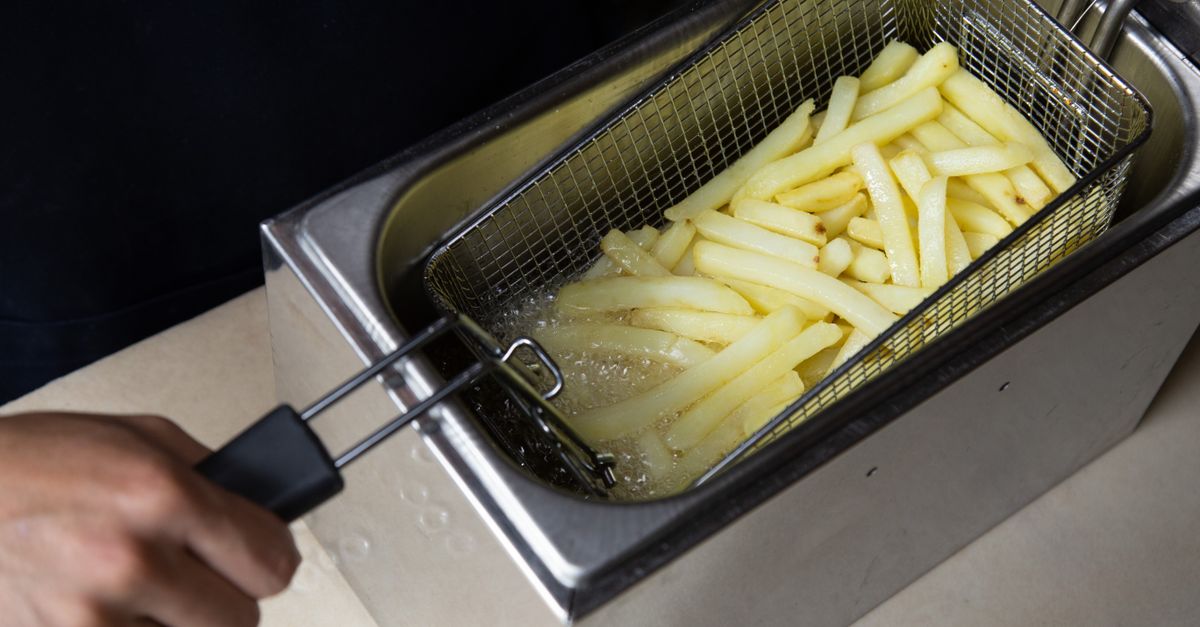
Selecting the right commercial deep fryer is a pivotal decision for any restaurant, café, food truck, or catering business. The fryer is often the heart of a kitchen, influencing food quality, speed of service, and operating costs. Whether you’re just starting out in Trinidad and Tobago or looking to upgrade your operation, making an informed decision on a commercial deep fryer ensures consistency, safety, and profitability in your kitchen.
Key factors when choosing a fryer include your menu, kitchen size, expected food volume, available energy supply, budget, and the ease of ongoing maintenance. At CaterPro, we’ve helped over 1,000 businesses in the Caribbean make optimal equipment choices. With deep experience across various cooking environments, CaterPro guides restaurants and caterers to the solution that matches their workflow, capacity needs, and quality standards.
What Is a Commercial Deep Fryer?
A commercial deep fryer is a heavy-duty kitchen appliance engineered to rapidly heat and maintain cooking oil for consistent, high-volume frying. In professional kitchens, deep fryers are integral for preparing menu staples like french fries, fried chicken, fish, dough products, and Caribbean favorites such as doubles or fried plantains.
Step-by-Step Framework: Choosing the Best Fryer for Your Kitchen
- Define Your Menu and Volume
Assess what foods you’ll be frying and how much per service. Are you producing light snack volumes for a café or high-volume batches for a busy restaurant? Breaded proteins require more oil recovery speed; fried doughs need larger flat-bottomed fryers. - Measure Available Space
Record the width, depth, and height available in your kitchen. Countertop models are compact and ideal for smaller spaces or food trailers, while floor (standing) models are suited for larger operations and higher volumes. - Select Fuel Type
Consider power sources: gas (natural/propane) is typically more efficient with faster recovery, while electric fryers are suitable where gas lines aren’t available. - Establish Required Capacity
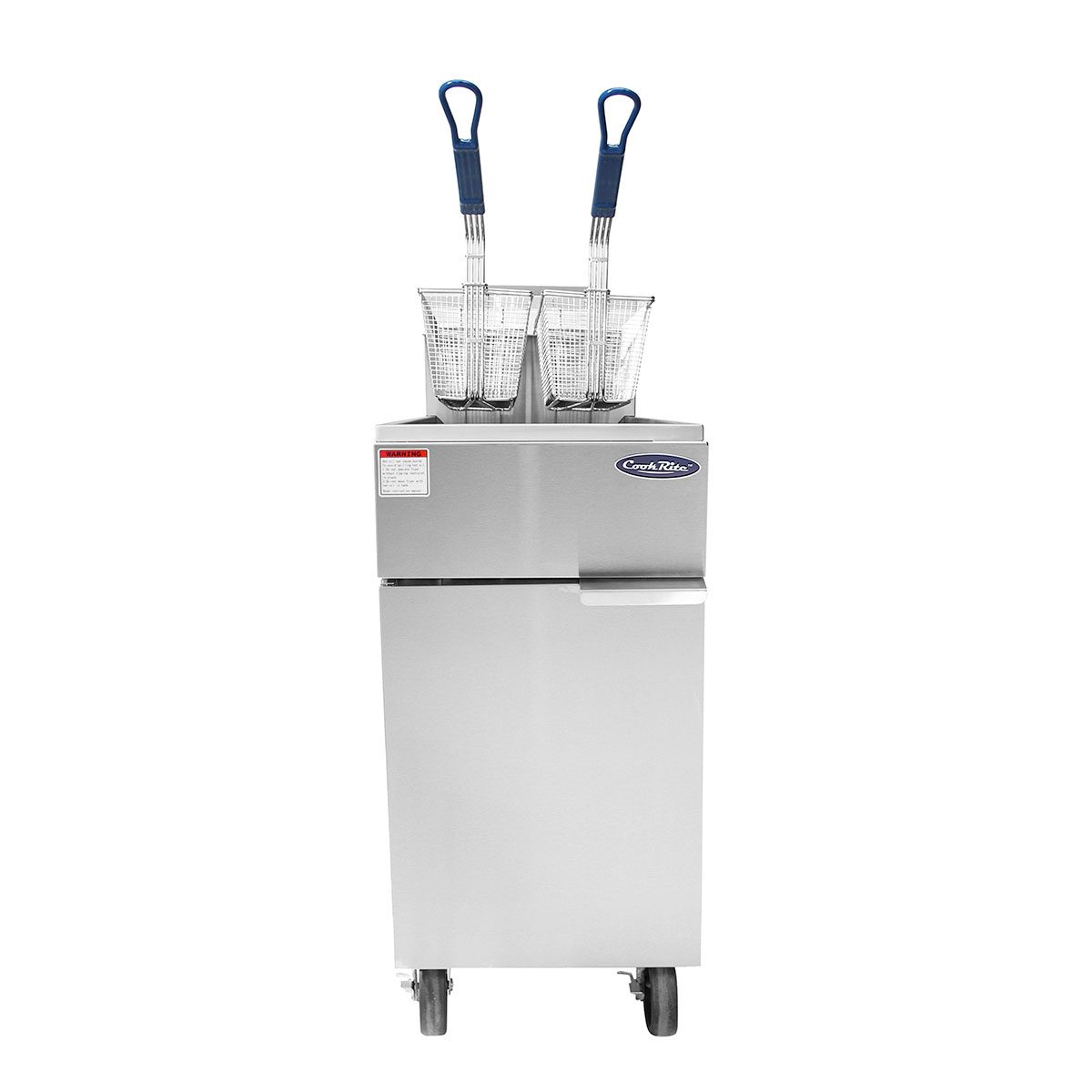
Choose oil capacity (measured in pounds or liters). For example: Countertop models handle 8-40 lbs; standing models, like CaterPro’s 3 Burner Gas Deep Fryer, handle 40-80+ lbs, perfect for high output restaurants. - Prioritize Safety and Cleanability
Features like high-limit temperature shut-offs, stainless steel welded tanks, removable baskets and pots, and easy drainage are crucial for safety and daily maintenance. - Set Your Budget
Balance initial investment with long-term payback. Factor in energy costs, ease of cleaning, and oil longevity (tube-style fryers extend oil life compared to flat-bottom designs). - Check Warranties and Local Support
Local suppliers like CaterPro provide after-sale service, fast shipping, and parts availability, reducing downtime.
Main Types of Commercial Deep Fryers
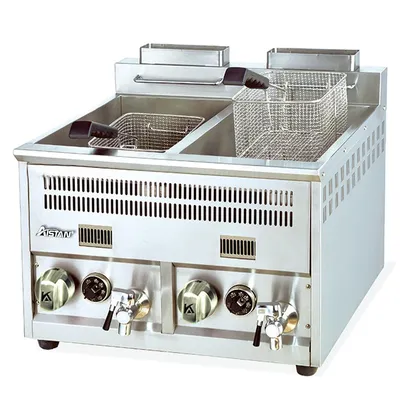
- Countertop Fryers – Compact, portable, perfect for food trailers or low-to-medium volume kitchens. Typically 8-40 lbs oil capacity. Example: Double Basket Countertop Gas Fryer.
- Standing/Floor Fryers – For high-volume, rapid production. Capacities range from 40-80+ lbs. Ideal for busy restaurants and large catering events. Example: CaterPro 3 Burner Gas Deep Fryer 40LB.
- Specialty Fryers – Flat-bottom for doughs, tube-style for breaded foods, and open-pot for continuous frying low-sediment foods.
Example Models at CaterPro
| Model Type | Capacity | Recommended Use | Example from CaterPro |
|---|---|---|---|
| Countertop Fryer | 8+8L per tank | Catering, food trailers, lower volume | Double Basket Countertop Gas Fryer |
| Standing Gas Fryer | 40LB | Restaurants, high volume | CaterPro 3 Burner Gas Deep Fryer 40LB |
Gas vs. Electric Fryers: Which Suits Your Operation?
- Gas Fryers: Heat oil quickly, maintain temperatures easily, and typically cost less to operate in the Caribbean where LPG is widely available. CaterPro’s models offer strong BTU ratings and precise temperature control, making them ideal for consistent, crispy results at scale.
- Electric Fryers: Easier to install if you lack gas lines, produce less heat in the kitchen, and can offer better energy efficiency for smaller volume needs. Recovery time between batches may be longer.
It’s critical to match your fryer’s fuel type with your kitchen’s infrastructure—and anticipate future expansion or location changes. Many businesses find gas models more versatile in Trinidad and Tobago due to the reliable LPG supply and faster returns on investment.
Key Features to Consider for Commercial Fryers
- Thermostatic Controls: Ensure accurate temperature, avoiding undercooked or burnt food.
- Oil Cooling Zones: Catches food particles, extends oil lifespan. Tube-style fryers are especially good for breaded or battered foods.
- Durable Construction: Stainless steel interiors and exteriors, welded tanks, and heavy-duty baskets withstand heavy use.
- Safety Cut-Offs: High temperature limiters and flame-out safety valves protect against accidents.
- Mobility Features: Casters or adjustable legs facilitate cleaning and repositioning as kitchen workflows grow.
- Easy Cleaning: Removable baskets, tanks, and racks help maintain hygiene and reduce labor.
When to Upgrade Your Fryer
Consider an upgrade if you notice declining oil quality, uneven frying results, frequent breakdowns, or an inability to keep up with peak demand. As menu offerings expand, many businesses find greater value in flexible multi-basket or higher capacity models. CaterPro supports these transitions with fast delivery, installation, and 24/7 customer care throughout the Caribbean, minimizing operational downtime.
Best Practices for Maximizing Fryer Performance and Longevity
- Preheat oil to required temperature before first use to ensure uniform heat distribution.
- Do not overload baskets—excess product lowers oil temperature and degrades results.
- Filter oil daily, and completely change oil as soon as food quality declines.
- Clean tanks, baskets, and all surfaces after each shift to maintain food safety.
- Schedule annual maintenance checks—especially for gas lines, valves, and thermostats.
- Train staff on safe loading, unloading, and emergency procedures. CaterPro offers ongoing support and advice as part of our service commitment.
CaterPro’s Top Commercial Deep Fryer Recommendations
- CaterPro 3 Burner Gas Deep Fryer 40LB – Best for medium-sized restaurants and busy kitchens, with welded stainless tank, automatic thermostat, and easy port for gas connection.
- CaterPro 5 Burner Gas Deep Fryer 75LB – Ideal for the highest-capacity needs such as catering halls or hotels. (Check the CaterPro shop for details.)
- Double Basket Countertop Gas Fryer – Space-saving for food stalls or trailers with dual baskets for multi-product cooking.
Why Work with CaterPro?
As CaterPro, we have a showroom in Aranguez, Trinidad, stocked with a curated selection of commercial fryers suited for Caribbean food businesses. Our promise includes:
- High-quality, professional-grade equipment for every scale of operation
- Competitive and transparent pricing (all listed in TTD, VAT-inclusive)
- Expert advice tailored to your cuisine, kitchen, and budget
- Fast local shipping, installation support, and a 24/7 helpdesk
- Secure payments and flexible financing options
Over 500 units sold and 1,000+ businesses served across the Caribbean demonstrates our expertise and service reliability. If you’re unsure which deep fryer is right for your concept, visit our product catalog or contact our support team.
Commercial Deep Fryers: Frequently Asked Questions
What size fryer do I need for my restaurant?
Choose a fryer based on your menu and peak volume. Small cafés or mobile caterers may use countertop models at 8-40 lbs capacity, while larger restaurants should invest in floor models with at least 40-80 lbs, like the CaterPro 3 Burner Gas Deep Fryer.
Should I choose gas or electric?
Gas fryers offer faster recovery times and operational savings in Trinidad and Tobago’s LPG-friendly environment. Electric fryers are simpler to install where gas is unavailable, but typically recover slower between batches.
How often should I replace fryer oil?
Daily filtering extends oil life, but replace the oil when you notice off-smells, excessive foaming, or food browning too fast. Flat-bottom fryers usually require more frequent changes for heavily battered foods.
How can I maintain my commercial fryer?
Daily cleaning of tanks, baskets, and crumb trays is required, with full tank draining and scrubbing at least weekly. CaterPro’s fryers feature welded stainless steel tanks and removable racks for easier upkeep.
Do you offer delivery and installation in Trinidad and Tobago?
Yes, CaterPro offers fast shipping throughout Trinidad (including next-day delivery) and can assist with setup. Our equipment is backed by local support and parts availability.
Where can I see fryers in person before buying?
Visit CaterPro’s showroom in Ali’s Drive, Aranguez (off Johnny King Rd.) to see models, ask questions, and get demonstrations tailored to your kitchen’s needs.
Conclusion: Make Frying Your Competitive Advantage
Choosing the right commercial deep fryer has wide-reaching impact on your restaurant or catering business—product quality, consistency, kitchen workflow, and ultimately, customer satisfaction and profitability. The team at CaterPro is ready to guide you through every step, from selection and purchase to setup and long-term support, ensuring you can focus fully on delivering the best to your guests.
Explore our curated collection of deep fryers and other professional cooking equipment at CaterPro.tt, or reach out for personalized advice. With CaterPro in your corner, you’re set up for operational efficiency and culinary success.
 Griddles
 Hotplates
 Ranges
 Ice Machine
 Prep Stations
 Tables