



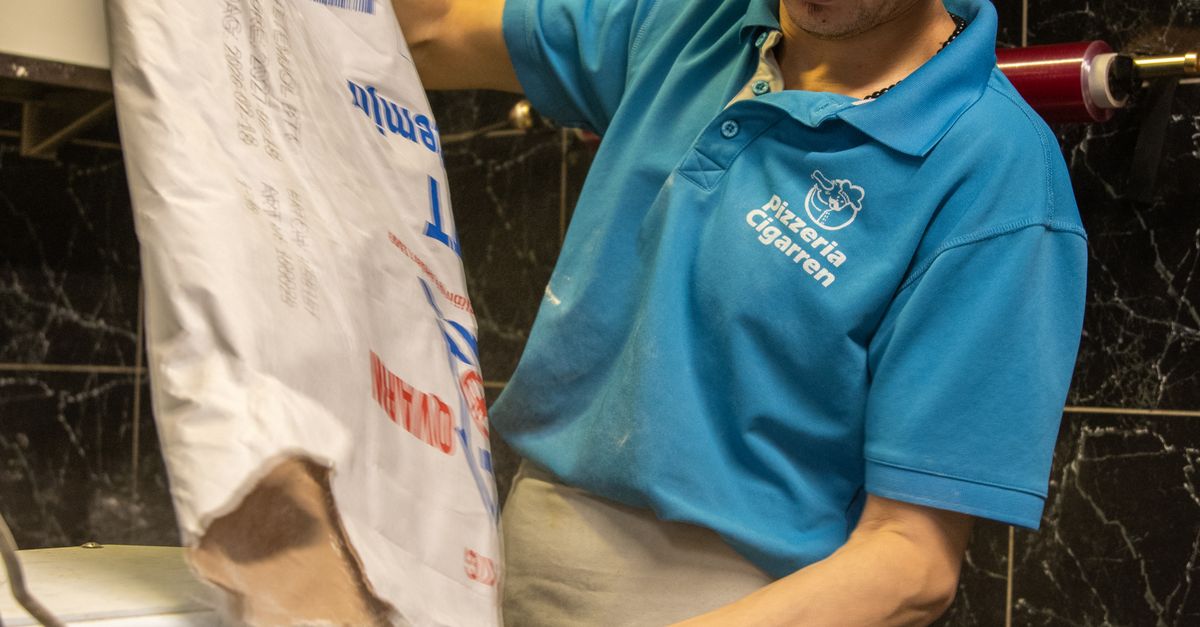
Choosing your first major piece of equipment is one of the cornerstone decisions for any new small bakery. The primary question—should you invest first in a dough mixer, dough sheeter, or bakery trolley—depends squarely on what you plan to make, how much, and your intended workflow. For almost every small or startup bakery, the overwhelming expert consensus is that a dough mixer is the essential foundation. This article provides clear, evidence-driven reasoning, actionable frameworks, and direct product insights to help you select the right first purchase and lay the groundwork for sustainable bakery growth.
Definitions: Key Bakery Equipment Explained
- Dough Mixer: A powered bowl mixer designed for kneading, mixing, and aerating dough or batters. Sizes (such as 7 qt, 10 qt, 20 qt, or 30 qt) determine batch output for breads, cakes, pastries, and more.
- Dough Sheeter: Motorized rollers that flatten dough to an exact thickness—critical for laminated pastry (croissants, puff pastry, tarts), and high-volume production of uniform dough sheets.
- Bakery Trolley: Mobile racks designed to hold and move multiple standard sheet pans, dramatically improving cooling, batch transport, and space usage in a production environment.
The Priority: Why a Dough Mixer Comes First for Most Small Bakeries
Mixing dough or batter is at the heart of almost every baked good. Whether you focus on breads, cakes, or pastries, a commercial dough mixer not only speeds up the process but also delivers consistent results. CaterPro provides a variety of mixers tailored for every stage—from home-based startups to small production bakeries—ensuring you address the bottleneck that nearly every bakery faces at launch: manual labor and inconsistent product.
Before considering a dough sheeter or trolley, ask yourself:
- Does every product you offer start with blended or kneaded dough?
- Are you currently losing time to manual mixing or suffering from variable textures and finishes?
If yes, your first investment should be a dough mixer. Only once efficient, reliable mixing is in place do upgrades such as dough sheeters (for pastries) or trolleys (for batch movement/cooling) add transformative value.
Essential Factors: Menu, Production Volume, and Space
Clarify Your Top Products
- If you primarily bake breads, you need consistent dough mixing for loaves, rolls, and pizza bases.
- If pastries like croissants or patties will dominate, you eventually require rolling consistency, but mixing still comes first for the dough base.
- Cake-focused bakeries depend on mixing batters and icings for almost every order.
Estimate Your Daily Output
- Micro bakery/home-based: 5–20 kg dough or batter daily (7 or 10 qt mixer)
- Small retail/bread bakery: 20–60 kg per day (20 qt mixer)
- High-output or café: 60 kg or more per day (20/30 qt mixer)
Assess Physical Constraints
- Countertop space for benchtop mixers or sheeters
- Floor space for standing mixers, trolley storage, and workflow
- Electrical power supply (smaller mixers: 120V, larger gear-based or sheeters: 220V)
Step-by-Step: Choosing the Right Equipment Sequence
- List your top 5 selling products. Identify which products drive your volume and revenue.
- Estimate your weekly production. Calculate pieces or kg per day, and batch requirements per week.
- Identify bottlenecks. Is it mixing, rolling, or space for baking/cooling that causes delays or limits?
- Confirm available space and electrical capacity. Plan not just for the first purchase but eventual layout evolution as operations scale.
- Select equipment based on critical need:
- No mixer yet? Start with a dough mixer.
- Mixing covered, but making many pastries? Consider a dough sheeter next.
- Space/cooling is the primary issue? Add a bakery trolley after your mixer.
In-Depth: Equipment Profiles by CaterPro
Dough Mixers
- 7 Quart Dough Mixer: Micro bakeries, start-ups, or home-to-business transitions. Batch size: 1–1.2 kg dough, 7L stainless bowl, silent operation, versatile speeds (75–660 rpm).
- 10 Quart Dough Mixer: Small commercial bakeries or higher-volume homes. Up to 3.2 kg/batch, robust build, easy controls, 304 stainless attachments for hygiene.
- 20 Quart Dough Mixer: Daily bread or cake production for cafés or retail. Planetary action, 3-speed, paddle/hook/whip attachments. Commercial-grade reliability.
- 30 Quart Dough Mixer: High-output or multiple-batch bakeries looking to expand product lines or supply wholesale.
Dough Sheeters
- Tabletop Dough Sheeter: Suitable for small spaces with growing pastry output. Rolls dough to precise thickness—essential for laminated or filled pastries.
- Standing Dough Sheeter: For operations needing 200–400 kg dough/h, 220V power, and high-speed consistent sheeting. Prioritize this as your upgrade when pastries become a primary revenue source.
Bakery Trolleys
- 10 Bun Pan Aluminum Bakery Trolley: Small operations, fits 10 full-size pans, improves cooling, de-clutters work surfaces, swiveling casters with brakes.
- 20 Bun Pan Aluminum Bakery Trolley: Higher-volume or retail bakeries, 20 slots, 250-lb load, boosts workflow from oven to display or packing.
Practical Decision Paths (Real-World Scenarios)
Home-Based or Micro Bakery
- First purchase: 7 qt or 10 qt Mixer
- Then: 10-pan bakery trolley to streamline space as orders grow
- Add: Dough sheeter only if your menu evolves into laminated pastries
Small Bread-Focused Retail Bakery
- First purchase: 20 qt Dough Mixer
- Second: 20-pan trolley for efficiency
- Third: Dough sheeter if needed for diversified bread styles or specific flatbreads
Pastry or Viennoiserie Production
- First purchase: 20 qt or 30 qt Mixer
- Second: Standing/Tabletop Dough Sheeter for croissants, danish, puff pastry
- Third: 20-pan trolley to manage cooling and proofing
Cake & Dessert Studios
- First purchase: 10 qt Mixer
- Upgrade/expand: 20 qt Mixer as business scales
- Trolleys and dough sheeters are optional based on menu expansion
Best Practices: Purchasing & Planning
- Always size for growth—select a mixer that meets current needs but does not immediately bottleneck future volume.
- Assess electrical capacity before large equipment installation; some appliances require 220V or dedicated circuits.
- Plan bench, trolley, and mixer locations to optimize workflow and minimize staff movement.
- Factor maintenance, hotline support, and parts availability into your budget. CaterPro provides 24/7 assistance for all products.
- Review warranty and return policies to ensure flexibility as your needs evolve.
Cost, Value, and Operational Impact
- Investing in a mixer typically delivers the greatest immediate return—reducing labor hours, improving product consistency, and enabling faster expansion of your menu.
- Dough sheeters and bakery trolleys supercharge efficiency for specific products or operational challenges, but only after reliable dough or batter mixing is established.
- Hidden savings grow over time: staff fatigue, overtime reduction, energy usage, and workflow improvements all drive real cost benefit.
FAQ: Small Bakery Equipment Decision Guide
What size dough mixer should a small bakery start with?
Most small bakeries begin with a 10 qt or 20 qt mixer, depending on expected daily output. If producing less than 20 kg per day, a 10 qt is reliable; 20 kg or more justifies a 20 qt model.
When is a dough sheeter necessary?
A dough sheeter becomes necessary when your volume of products that require thin, uniform dough—such as croissants, puff pastry, or patties—exceeds what can reasonably be done by hand. If laminated/difficult pastries make up 30% or more of your menu or you spend over an hour daily with a rolling pin, it’s time for a sheeter.
Should I get a bakery trolley even as a home baker?
If your kitchen space is crowded with baked trays, or you regularly bake multiple batches that need cooling, a bakery trolley quickly streamlines your workspace and protects finished products from contamination or damage.
Can the same mixer be used for bread, cake, and cookies?
Yes. Commercial planetary mixers (like those from CaterPro) handle a range of attachments for dough, batter, icings, or soft fillings, making them highly versatile across product lines.
How does a commercial mixer improve consistency compared to hand mixing?
Commercial mixers ensure an even blend and knead for every batch, maintaining the same structure, volume, and crumb. Manual mixing often yields variable results, especially across multiple batches or staff shifts.
How do I know if I need a 10-pan or 20-pan bakery trolley?
10-pan trolleys are ideal for small or micro bakeries producing fewer than 5–7 pans at once. For busy bakeries baking continuously, 20-pan versions prevent surface clutter and accommodate higher outputs.
Where can I get advice tailored to my bakery’s unique needs?
CaterPro offers personalized guidance via phone, email, or in-person at our showroom. Share your menu and projected output, and our team will help you select and scale equipment wisely.
Additional Resources
- Looking for more about optimizing commercial workflow? See Optimizing Commercial Kitchen Workflow: The Benefits of Modular Stainless Steel Worktables.
- For advice on essential equipment for outdoor or pop-up food businesses, read Essential Equipment for Outdoor Catering and Pop Up Food Service This Spring.
Conclusion: Expert, Sustainable Growth Starts with the Right Choice
For nearly all small and new bakeries, investing in a robust dough mixer lays the foundation for efficiency, consistency, and growth. Dough sheeters and bakery trolleys become vital as your menu and orders scale, but rely on having solid mixing capacity first. As the Caribbean’s authority on commercial bakery equipment, CaterPro is committed to helping you choose and integrate the ideal solutions for your bakery—today and for every stage ahead.
Ready to take the first step? Explore our full range of dough mixers, sheeters, and trolleys online, or visit our Aranguez showroom to receive expert advice tailored to your bakery’s goals. We are here to help you succeed from your very first batch and beyond.
 Griddles
 Hotplates
 Ranges
 Ice Machine
 Prep Stations
 Tables