



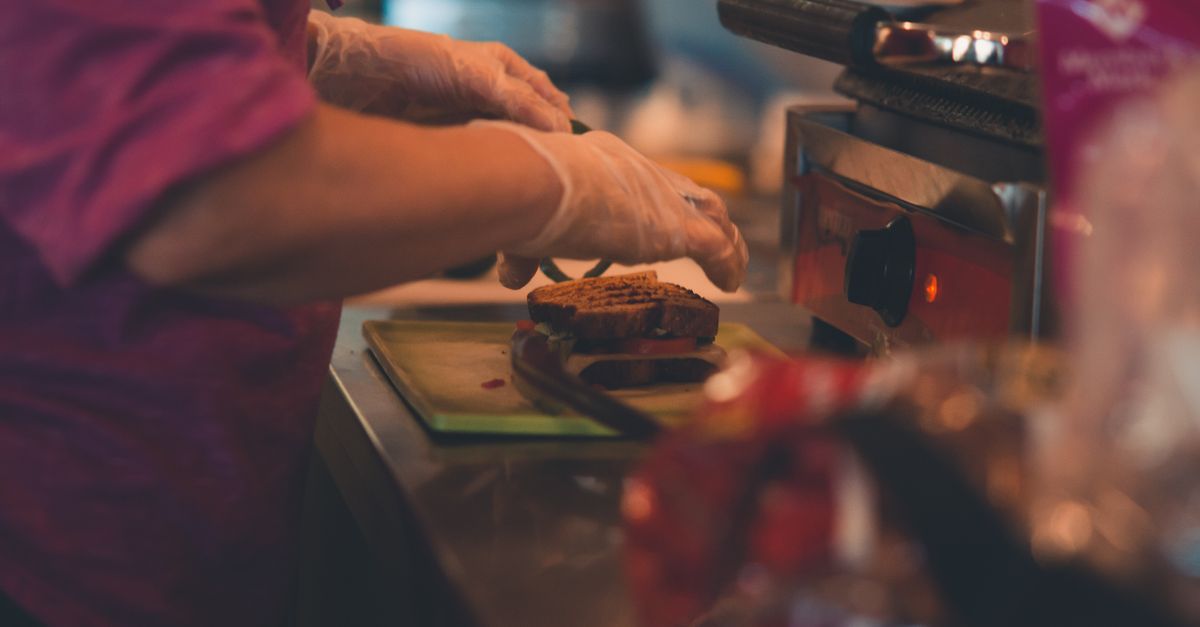
Choosing between a sandwich prep station and a mega top prep station is a critical decision for any commercial kitchen, cafe, or catering business. The best option depends on the variety of ingredients you need at arm’s reach, the size of your menu, available workspace, and desired workflow. At CaterPro, we provide expert guidance in selecting the ideal prep equipment for your business, helping you balance capacity, speed, and freshness for every service.
Definitions: Sandwich Prep Station vs Mega Top Prep Station
Sandwich prep stations are refrigerated worktables designed to keep a practical number of toppings—typically 6 to 8—in chilled pans on the top rail. These units offer a deep cutting board for assembling sandwiches, wraps, burgers, or salads, and refrigerated storage beneath for extra ingredients. Sandwich prep stations work best for menus with a focused range of toppings where workspace is a priority over ingredient variety.
Mega top prep stations are a variation that features additional rows of pans—often 10 to 12 or more—allowing a much broader range of toppings and add-ons to be stored within reach. The tradeoff is a slightly shallower cutting board to make room for the extra ingredient pans. Mega top units are ideal for operations offering many build-your-own options or custom orders, such as salad bars, premium sandwich shops, or menu concepts with extensive topping selections.
Key Differences at a Glance
| Feature | Sandwich Prep Station | Mega Top Prep Station |
|---|---|---|
| Pan Capacity | Approximately 6–8 pans | Approximately 10–12+ pans |
| Rows of Pans | Usually 2 rows | 3+ rows |
| Cutting Board Depth | Deeper, more workspace | Shallower, less workspace |
| Menu Type | Focused sandwiches, burgers, limited toppings | Premium sandwiches, salad bars, many custom options |
| Volume Level | Low to medium | Medium to high |
| Main Advantage | Spacious working area, simple organization | More toppings within reach, supports broader menus |
| Compromise | Fewer toppings accessible at once | Less assembly space for large items |
How to Decide: A Four-Step Framework by CaterPro
Step 1: Tally Your Daily Ingredient Needs
- Count the total number of toppings or fillings you use for peak service, including proteins, cheeses, vegetables, and sauces.
- Menus with 6–8 core toppings: opt for a sandwich prep station.
- Menus with 10–12+ toppings or frequent limited-time specials: a mega top prep station is preferable.
Step 2: Measure Your Available Line Space
- Assess width, depth, and access points in your kitchen.
- Smaller kitchens often suit 3ft sandwich prep stations, while larger operations may require 4ft, 5ft, or 6ft models.
- Mega top units will add a few inches to the depth—verify it fits your workflow.
Step 3: Determine What Matters Most: Workspace or Ingredient Variety
- Choose sandwich prep for large wraps, tortillas, or if staff need ample room for assembly.
- Select mega top if you routinely offer many topping choices or run a build-your-own menu style.
Step 4: Match Station Size to Service Volume
- Under 50 covers per service: A compact 3ft sandwich prep station usually suffices.
- 50–150 covers: Larger 4ft–6ft models or mega tops increase efficiency.
- Bigger volumes or multi-station lines: Consider combining mega tops with refrigerated topping stations to maximize output.
Exploring Prep Station Options from CaterPro
3ft Sandwich Prep Station – Maximizing Efficiency in Tight Spaces
- 3ft Sandwich Prep Station: Features a stainless steel build, positive seal self-closing door, adjustable digital controls, and insulated lid. Holds ingredients safely between 33°F and 41°F (0.5°C to 5°C), offers adjustable shelving, and heavy-duty casters for easy cleaning.
- Best for: Small cafes, food trailers, home chefs, or businesses offering a streamlined selection of fresh sandwiches and salads.
4ft and 6ft Mega Top Prep Stations – For High-Variety, High-Volume Menus
- 4ft Mega Top Prep Station and 6ft Mega Top Prep Station: Stainless steel interiors/exteriors, concentrated airflow design, environmentally friendly R290 refrigerant, electronic temperature controllers, and deep poly pan rails for maximum ingredient access. Designed for quick, efficient topping selection in busy salad or custom sandwich operations.
- Best for: High-traffic sandwich shops, build-your-own concepts, burger bars, and salad-focused menus.
5ft and 6ft Refrigerated Prep Stations – Balanced Workspace and Capacity
- 5ft Refrigerated Prep Station and 6ft Refrigerated Prep Station: Wide cutting boards, generous storage, and flexible pan layouts combine workspace with ingredient capacity, making them a versatile solution for larger kitchens or two-chef lines.
- Fits operations needing a balance between variety and prep area, especially in volume-driven kitchen layouts.
Refrigerated Topping Stations – For Buffets, Pizza Lines, or Adding Variety
- Standalone refrigerated topping stations can be paired with standard or mega top prep stations to provide extra chilled wells for pizza, desserts, or buffet lines where accessibility is paramount.
Scenario Guide: Matching Prep Stations to Menu Types
Small Cafes, Coffee Shops, and Kiosks
- Usually serve 10–40 sandwiches per service with limited toppings
- Recommended: 3ft sandwich prep station or 5ft standard model, to retain workspace yet ensure ingredient freshness
Street Food Vendors (Doubles, Roti, Bake and Shark)
- Require speed and flexibility but only a handful of toppings
- Compact sandwich prep stations with wider boards are ideal for efficient assembly
Build-Your-Own Salad and Sandwich Concepts
- Offer a wide range of proteins, vegetables, sauces, and add-ons
- Mega top prep stations (4ft or 6ft) are best to keep everything visible and avoid staff reaching off the line for ingredients
Hotels, Catering, and Banqueting
- Multiple menu profiles and high production
- Standard prep stations for back-of-house; mega top or topping stations for front-of-house and guest customization
Best Practices When Choosing a Prep Station
- Assess your current workflow—consider menu expansion and upcoming seasonal or dietary additions.
- Ensure ingredient pans, cutting boards, and shelving are removable for hygiene and easy cleaning.
- Choose heavy-duty, lockable casters for easy movement and cleaning beneath the station.
- Opt for energy-efficient refrigeration and precise digital temperature controls to maintain food safety (discover more tips on energy efficiency in equipment).
- Work with suppliers like CaterPro that offer clear product information, fast support, and competitive pricing in TTD, VAT included.
Checklist Before Ordering from CaterPro
- Write down all regular and special toppings you plan to use.
- Confirm the number of covers at peak service—do you need a compact or larger model?
- Measure exact line, depth, and doorway space to confirm the unit will fit and can be delivered easily.
- Check electrical and ventilation requirements for safe, efficient operation.
- Consider workflow—will two staff share one station? Is assembly and packing performed at the same location?
Once you’ve reviewed these factors, the CaterPro team can match you with the ideal sandwich prep or mega top prep solution for your specific business context.
Frequently Asked Questions About Prep Stations
What is the main difference between a sandwich prep station and a mega top?
Sandwich prep stations provide a deeper cutting board and fewer top pan slots, making them suitable for simple menus where workspace matters. Mega top prep stations offer more pan slots for toppings but reduce assembly space, making them ideal for menus with greater variety.
Does a mega top prep station require more space?
Yes, mega top stations are typically deeper than standard sandwich prep units to allow for extra pan rows. Be sure to measure both width and depth before choosing your station.
Which stations are best for high-volume kitchens?
Kitchens serving a high number of covers or offering extensive topping choices benefit from mega top prep stations or a combination of standard and topping stations to maximize efficiency and reduce restocking.
Can prep stations be used for salads and pizzas?
Absolutely. Both sandwich and mega top prep stations work for salads, pizzas, or other build-to-order menu types. For pizzas or dessert bars, additional refrigerated topping stations can supplement your main prep area.
Which CaterPro station is right for my business?
This depends on your menu, space, and service volume. The CaterPro team is ready to guide you through your choice with practical, tailored advice based on your kitchen’s specific needs.
Conclusion
Selecting between a sandwich prep station and a mega top prep station comes down to your menu complexity, desired speed, and available space. Both play vital roles in streamlining production and maintaining food safety in commercial kitchens. At CaterPro, we specialize in guiding you to the optimal solution—whether it’s a compact prep table or a fully featured mega top. Our team offers personalized support, competitive pricing, and a wide selection designed to help your culinary operation excel every day.
For more in-depth advice on related kitchen design or equipment choices, explore our resource on choosing a commercial refrigerator or optimizing kitchen workflow.
If you’re ready to get started or need detailed product specs, visit our homepage or contact us directly. We look forward to supporting your next chapter in foodservice success.
 Griddles
 Hotplates
 Ranges
 Ice Machine
 Prep Stations
 Tables