



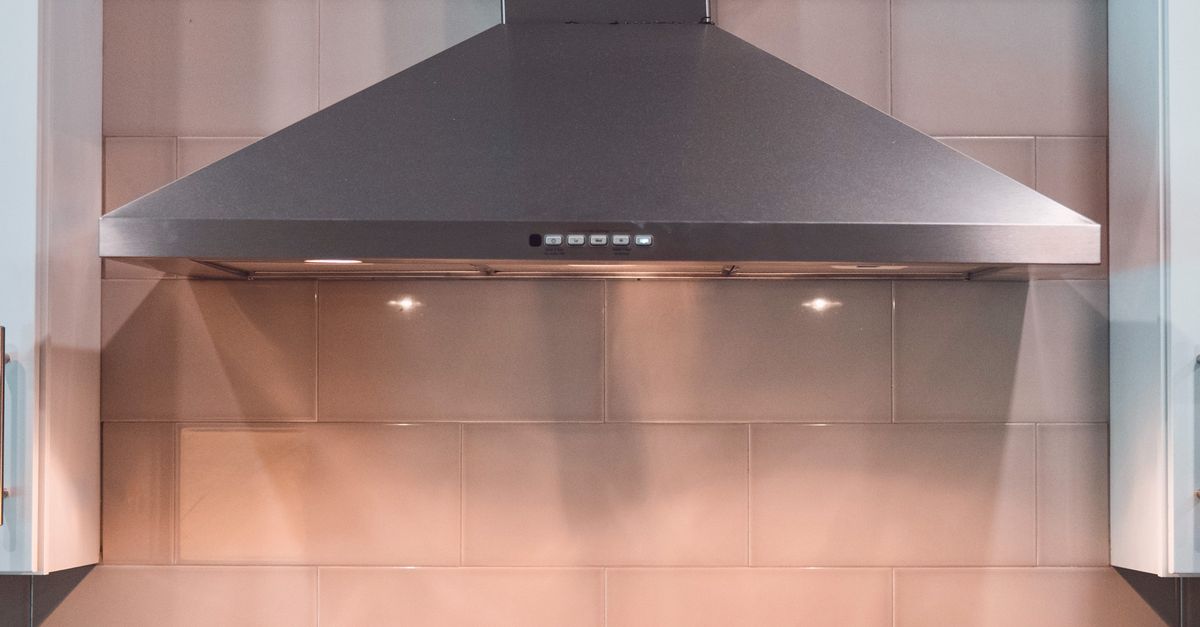
Choosing the right size exhaust hood is a defining decision for every commercial kitchen. The correct hood size protects staff and guests by removing smoke, grease, and heat, ensuring clean air, compliance with regulations, and optimal kitchen comfort. If your exhaust hood is too small, you may face unwanted heat buildup, greasy surfaces, compliance failures, or even costly retrofits later. On the other hand, an oversized hood can result in wasted energy and higher utility costs. At CaterPro, we have guided hundreds of Caribbean kitchens in selecting properly sized ventilation, drawing from deep expertise in local standards and real kitchen needs.
Definition: What Is a Commercial Kitchen Exhaust Hood?
An exhaust hood, also known as a range hood or ventilation hood, is a device mounted above cooking appliances in a restaurant or catering kitchen. Its primary purpose is to capture and expel grease-laden vapors, smoke, steam, heat, and odors to maintain air quality and safety. Proper sizing, installation, and maintenance are critical—underscoring why professional advice from a trusted supplier like CaterPro is essential when designing a new kitchen or upgrading an existing one.
How to Determine the Right Exhaust Hood Size
The size of an exhaust hood depends on the cooking equipment lineup, kitchen layout, ventilation needs, and regulatory requirements. We outline a methodical, step-by-step process to ensure any decision is informed, compliant, and future-ready.
Step 1: List All Equipment to Be Covered
- List each appliance planned for the cook line. Include ranges, fryers, griddles, ovens, char broilers, and similar gear.
- Record their widths and depths. Account for gaps if appliances are side by side.
- Example: Suppose you have a 36-inch range, a 24-inch griddle, and a 15-inch fryer, all side by side, with a 3-inch gap between appliances. Total width would be 36 + 24 + 15 + (2×3) = 81 inches.
Step 2: Add Overhang for Safe Capture
- Most codes recommend an overhang of at least 6 inches on both ends (total 12 inches) beyond the cooking surface.
- Formula: Hood Length = Equipment Length + 12 inches.
- For 81-inch total equipment, the minimum hood length required is 93 inches (7.75 ft). It’s best practice to round up to the next standard size—so for this example, an 8ft hood is the optimal minimum.
- Explore CaterPro’s range: 8ft Restaurant Type Hood, 10ft Restaurant Type Hood, 12ft Restaurant Type Hood.
Step 3: Choose the Proper Depth
- Depth is the front-to-back measurement from wall to hood edge.
- Typical depths: 48, 52, or 60 inches. Match or exceed your deepest cooking appliance’s depth for optimal smoke and vapor capture.
- For equipment up to 30 inches deep, a 48-inch hood is common; for burger grills or charbroilers, consider up to 60 inches.
Step 4: Identify the Required Hood Type
- Type I Hoods: Needed for grease-generating equipment (fryers, griddles, broilers, open-flame ranges). These must have grease filters and often include automatic fire suppression.
- Type II Hoods: Used for appliances that produce heat or steam but little or no grease (e.g., ovens, dishwashers).
- Most restaurant lines in Trinidad and Tobago require Type I hoods to ensure compliance and fire safety.
Step 5: Calculate Exhaust Airflow Requirements (CFM)
- Hood area (in square feet) = Hood Length (ft) × Hood Depth (ft).
- Determine usage level:
- Light duty (ovens, small ranges): 50 CFM per ft².
- Medium duty (fryers, griddles): 70 CFM per ft².
- Heavy duty (char broilers, heavy grills): 100 CFM per ft².
- Choose the highest-duty equipment as your basis. For example, an 8ft hood at 48 inches deep with fryers and griddles (medium duty) gives an area of 32 ft² × 70 CFM = 2240 CFM exhaust needed.
- Find fans that suit your airflow: See CaterPro’s Axial Exhaust Fan 1650 CFM and UL Listed 6000 CFM Exhaust Fan.
Step 6: Plan for Make-Up Air
- Every cubic foot of air you remove needs to be replaced. Failing to provide adequate make-up air can lead to negative pressure, poor ventilation, and lower hood efficiency.
- Recommended: Supply 80 to 90 percent of exhaust volume as make-up air via dedicated hoods or supply fans.
- Practical example: For a 3,000 CFM hood exhaust, provide at least 2,400 to 2,700 CFM of fresh air—CaterPro supplies compatible fresh air hoods such as the 12ft Fresh Air Hood.
Step 7: Check and Observe Local Regulations
- Compliance is crucial. Always check fire, health, and mechanical codes with your local authority (Authority Having Jurisdiction – AHJ). They often require 6-inch overhang, proper mounting height, grease filters, and certified fire suppression.
- Codes often reference standards similar to those of UL 710 or NFPA 96 for installation and inspection intervals.
- Experienced suppliers like CaterPro understand Trinidad’s and the Caribbean’s requirements, helping clients pass inspections and operate with confidence.
Common Hood Sizing Scenarios
Scenario 1: Small Catering Kitchen
- Equipment: 30-inch range + 24-inch griddle + 3-inch gap = 57 inches, plus 12-inch total overhang = 69 inches (5.75 ft)
- Area: 6 × 4 = 24 ft² (medium duty).
Exhaust: 24 × 70 = 1680 CFM. A 6ft stainless steel hood, such as the 5ft Stainless Steel Kitchen Hood or appropriate 6ft model, is typically suitable.
Scenario 2: Fast-Food Line
- Equipment: Range, griddle, fryers total equipment and spacing = 99 inches, plus overhang = 9.25ft. Select a 10ft Restaurant Type Hood.
- Area: 10 × 4.5 = 45 ft². CFM: 45 × 70 = 3,150 CFM. Make-up air: 2,520–2,835 CFM.
Scenario 3: Large Restaurant Cook Line
- Multiple appliances totaling 120 inches, gaps, overhang = 141 inches (11.75ft). Select a 12ft Restaurant Type Hood.
- Area: 12 × 5 = 60ft². Heavy duty: 60 × 100 = 6,000 CFM. Make-up air at 90 percent = 5,400 CFM. Combine a 12ft Fresh Air Hood or other solutions as designed by your installer.
Key Terms for Hood Selection
- Hood Length: Horizontal measurement end to end, including required overhang.
- Hood Depth: Wall to front edge, ensuring cover for all equipment below.
- CFM: Cubic Feet per Minute, the airflow moved by the exhaust system.
- Type I/II: Distinction for grease (Type I) and non-grease (Type II) applications.
- Make-up Air: Fresh air introduced to balance what is exhausted. Available via dedicated hoods such as the 8ft Fresh Air Hood.
Best Practices for Sizing and Installing Exhaust Hoods
- Never size your hood before finalizing the kitchen equipment lineup.
- Always account for the 6-inch overhang at each end, as compliance often hinges on this detail.
- Plan for possible future equipment upgrades and ensure the hood can accommodate additional or heavier-duty appliances.
- Collaborate with professional installers who know local requirements, ductwork best practices, and fire safety systems.
- Engage suppliers like CaterPro early in the planning process to evaluate layout, airflow, and compliance questions.
Checklist: How to Size Your Kitchen Exhaust Hood
- List all cooking equipment and measure their combined width, including gaps.
- Add a 6-inch overhang at either end (12 inches total).
- Select a standard hood size equal to or greater than the measurement.
- Pick a depth that meets or exceeds the deepest appliance.
- Identify Type I or Type II requirement based on equipment.
- Calculate ventilation needs (hood area × CFM rate based on duty).
- Plan for make-up air at 80–90% of exhaust volume.
- Review with local authorities for code compliance.
- Work with qualified local professionals for installation.
- Consult CaterPro for product selection, layout, or technical questions.
How CaterPro Supports Your Hood Selection
With over 1,000 businesses served and deep experience supplying commercial ventilation solutions across Trinidad and the Caribbean, CaterPro is your trusted partner in exhaust hood sizing. Our specialist team reviews your equipment list, recommends optimal hood configurations, and helps with related products for a complete, compliant ventilation system.
- Visit our showroom in Ali’s Drive, Aranguez, or browse our full selection online.
- Contact us at Sales@CaterPro.tt or phone (1-868-304-0605 / 1-868-318-2665 / 1-868-375-4628) with questions or plans.
- We recommend popular, code-compliant options such as the 8ft Restaurant Type Hood, 10ft Restaurant Type Hood, and 12ft Restaurant Type Hood depending on your kitchen’s needs.
If your kitchen redesign involves other core gear, consider exploring best practices in related areas. For example, our guide on energy-efficient restaurant equipment shows how ventilation decisions connect to overall kitchen performance and operating costs.
Frequently Asked Questions (FAQ)
- How do I calculate the length of exhaust hood I need?
- Sum the total width of your equipment (including spaces between appliances), then add 12 inches to account for a recommended 6-inch overhang on each end. Choose the next available standard size from product offerings.
- What is the difference between Type I and Type II hoods?
- Type I hoods are required for grease-producing appliances, include grease filters and usually fire suppression. Type II hoods are intended for heat or steam appliances where grease is not present.
- What is CFM and why is it important?
- CFM (Cubic Feet per Minute) is a measure of air volume moved by the system. Sufficient CFM is needed to effectively remove heat, smoke, and grease-laden vapors generated during cooking.
- Is make-up air required in all kitchens?
- For any exhaust over 2,000 CFM, make-up air is strongly recommended, and in most situations required for proper operation. It prevents pressure imbalances and maintains health and comfort.
- Can CaterPro advise on code requirements and installation?
- Yes. Our team is experienced with Trinidad and Caribbean kitchen codes, and will help you select, size, and install compliant hoods and accessories tailored to your kitchen’s needs.
- What if my kitchen or menu changes after installation?
- It’s prudent to choose a hood slightly larger than your current needs to allow for future expansion. If changes are significant, consult with CaterPro to assess whether upgrades are required.
Conclusion
Commercial kitchen hood sizing is a technical, regulatory, and operational decision best informed by collaboration with industry specialists. The risks of guessing or shortcutting—from failed inspections to poor air quality and high energy bills—make professional planning essential.
CaterPro has a proud tradition of supporting restaurants, caterers, and food businesses in Trinidad and across the Caribbean with high-quality, code-compliant ventilation solutions. Visit our showroom, explore our product catalog online, or speak with our experts for a tailored, confident approach to your kitchen’s next upgrade.
 Griddles
 Hotplates
 Ranges
 Ice Machine
 Prep Stations
 Tables