

Controlling operating expenses in the restaurant and catering industry is a constant challenge. One of the most impactful and sustainable ways to lower these costs is by investing in energy efficient restaurant equipment. For businesses in Trinidad and Tobago and throughout the Caribbean, focusing on efficiency not only saves on utility bills but also enhances kitchen performance and customer satisfaction. At CaterPro, we have seen first-hand how optimizing for efficiency can transform your bottom line while delivering consistent results for your culinary operations.
Energy efficient restaurant equipment is designed to use less electricity, gas, or water without compromising on performance or safety. Kitchens that make the switch to such equipment often experience reduced monthly bills, longer equipment lifespans, and improved workflow. Many businesses also find that a well-planned upgrade helps them scale up service, reduce maintenance costs, and create a more comfortable working environment for staff.
What Is Energy Efficient Restaurant Equipment?
Energy efficient restaurant equipment refers to commercial kitchen appliances and systems that consume less energy or water to deliver the same (or better) output as traditional models. This can include refrigeration units, cooking appliances, food warmers, ventilation systems, and even display and merchandising equipment. Choosing equipment designed for efficiency can make a measurable impact on your day-to-day operating costs.
Why Prioritize Energy Efficient Equipment?
- Lower Operating Costs: Utility expenses account for a significant portion of restaurant overhead. Efficient equipment helps reduce these bills over time.
- Improved Cooking Consistency: More accurate temperature controls help maintain food safety and quality while reducing waste.
- Less Strain on HVAC Systems: Equipment producing less excess heat keeps kitchens cooler and can lower air conditioning use.
- Increase Equipment Lifespan: Reduced cycling and improved insulation minimize wear and tear for longer device service life.
- Better Kitchen Environment: Cooler, quieter, and less crowded kitchens improve staff comfort, morale, and productivity.
Key Equipment Categories That Lower Costs
At CaterPro, we help restaurants, caterers, and hospitality professionals identify and invest in the equipment categories that drive the highest efficiency savings.
Refrigeration Equipment
Refrigeration units (like chillers and merchandisers) are always running, making even small gains in efficiency highly valuable. Efficient models have improved compressors, thicker insulation, and tighter doors, all of which cut electricity consumption and improve temperature stability.
- Popular choices at CaterPro: Single Door Stainless Steel Chiller, Double Door Merchandiser Chiller, 5ft Grab and Go Chiller
- Tip: Inspect door gaskets monthly. Faulty seals let cold air escape and force compressors to work harder.
For more guidance, refer to our post on how to choose a commercial refrigerator for a busy restaurant kitchen.
Cooking Equipment
Ovens, ranges, and commercial fryers account for a large share of energy usage and kitchen heat. Energy efficient models feature advanced burners or elements, rapid preheat, precise thermostatic controls, and thick insulation. Reduced cook times and faster recovery mean less idle energy spent and more throughput in busy kitchens.
- Examples from CaterPro’s range: 4 Burner Range w/ Oven, 10 Burner Range w/ Double Oven, Standing Gas Convection Oven, CaterPro 3 Burner Gas Deep Fryer 40LB
- Many businesses find that just reducing idle time, or shifting to models with better temperature controls, produces notable savings over months and years.
To explore options in detail, read our blog on how to choose the right commercial deep fryer for your business.
Food Holding and Warming Systems
Buffets, catered events, and fast-casual service depend on hot holding. Models with modern insulation, accurate thermostats, and right-sized pans minimize wasted power and improve food safety.
- CaterPro highlights: 10 Pan Warming Cart, Food Warming Cabinets, Soup Kettles, Display Warmers, Chafing Dishes
- Tip: Only preheat food holding units when needed—switching on too early wastes hours of unused energy.
If you regularly set up buffets, see our advice on best food warming equipment for catering events and buffet service.
Ventilation and Exhaust Solutions
Exhaust hoods and fans maintain air quality and help regulate kitchen temperature. Modern, efficient systems do more with less—cleaning and replacing filters on schedule prevents airflow obstructions and unnecessary energy use.
- CaterPro offers: 10ft Restaurant Type Hood, 10ft Fresh Air Hood, UL Listed Exhaust Fans, Axial Exhaust Fans
- Advice: High-volume kitchens should clean or change hood filters at least weekly to maintain optimal performance.
Refrigerated Display and Merchandising
Units designed for product presentation often run in high-traffic dining areas. Efficient options combine double-pane glass, LED lighting, and robust compressors for reliability with lower energy bills.
- Available at CaterPro: 28 Cu. Ft Double Door Merchandiser Chiller, 36-inch Refrigerated Display Cases, Curved Glass Countertop Refrigerated Display Cases
Step-by-Step Framework: Maximizing Value from Efficient Equipment
1. Identify Equipment Running the Most Hours
- Target refrigeration and cooking units first, as these operate for the longest periods.
- For mobile or outdoor food operations, prioritize insulated containers and portable holding equipment.
2. Assess Current Operating Costs
- Review your most recent utility bills and estimate each device’s share of the bill.
- Simple method: If a piece of equipment costs about TTD 800 a month to run, and a new unit is 20% more efficient, use these figures to project savings.
3. Calculate Payback Period
- Subtract estimated annual savings from the premium you pay for higher efficiency equipment.
- If the upgrade pays itself back in two years or less, savings will likely be substantial over the unit’s usable life.
4. Include Indirect Benefits
- Count not just utilities, but also reductions in repairs, downtime, food spoilage, and even lower air conditioning or labor costs.
Signs It’s Time to Upgrade Your Equipment
Recognizing when your current setup is losing you money is just as important as knowing what to buy.
- Compressor or burner cycles are frequent or constant
- Ovens, fryers, or warmers take too long to preheat
- Eratic temperature control or excessive food waste
- Multiple repairs in the past year
- Heat and humidity buildup around equipment
- Seals, gaskets, or hinges are visibly worn
For established units older than 7 to 10 years, replacement with modern energy efficient models may be the smarter long-term investment.
What to Look for When Purchasing Energy Efficient Solutions
Commercial Build Quality
- Choose heavy-duty stainless steel units, sturdy handles, and commercial-grade components for long service life.
Accurate and Easy-to-Use Controls
- Precise thermostats prevent food waste and energy loss (critical for chillers, warming cabinets, ovens, and fryers).
Maintenance-Friendly Design
- Select equipment with easy access to filters, coils, and interior spaces for cleaning and rapid inspection.
Right Size for Your Needs
- Oversized equipment wastes power in small operations; undersized units create bottlenecks or overwork. CaterPro’s team can advise you on ideal sizing for your menu and volume.
Supplier Expertise and Support
- Work with a supplier such as CaterPro who understands professional kitchens and can guide you to the most cost-effective solution, including financing options.
Best Practices for Maximizing Your Energy Savings
- Turn on equipment only as service requires, not hours in advance
- Keep refrigerator and freezer doors closed and unblocked
- Regularly clean condenser coils, hood filters, and any intake vents
- Use lids on warmers or kettles to retain heat
- Train your staff to recognize and report inconsistent temperatures
- Batch-cook during off-peak times to avoid repeated small-batch energy use
Many food service businesses see the biggest impact by starting with simple maintenance routines and staff training alongside equipment upgrades.
Upgrading Is Also a Comfort and Productivity Boost
The economic benefits of energy efficient equipment are clear, but staff morale and productivity gain as well. Kitchens that are cooler, quieter, and less cramped allow people to focus on food quality and service—not fighting excess heat or malfunctioning gear.
Why Partner with CaterPro?
With a track record of over 500 equipment units sold and serving more than 1,000 businesses across Trinidad and Tobago and the Caribbean, CaterPro is focused on practical, durable, and affordable commercial solutions. Our product lines cover every area where efficiency can make a measurable difference—from refrigerated storage and modern cooking equipment to holding, warming, ventilation, and beyond.
- Trustworthy advice for small, medium, and large operations
- Local support and fast turnaround on orders and installations
- Clear, all-inclusive pricing in TTD, VAT included
- Comprehensive selection covering every key kitchen category
If you’re looking for ways to bolster efficiency without sacrificing quality, we are prepared to help you audit your kitchen and prioritize impactful changes.
Frequently Asked Questions (FAQ)
What types of restaurant equipment save the most on energy bills?
The largest savings usually come from refrigeration units (chillers, merchandisers), cooking equipment (ovens, ranges, fryers), ventilation and exhaust systems, and long-running food holding equipment.
How quickly will I see a return on investment after upgrading equipment?
Payback periods for newer, more efficient units can vary. Many CaterPro customers find that the savings in energy, repairs, and improved productivity pay for the initial upgrade within two to three years. The exact timeframe depends on your energy rates, volume, and maintenance habits.
Is there a difference between commercial and residential equipment in terms of efficiency?
Yes. Commercial equipment is built for higher volume, frequent cleaning, and durability under continuous use. While the best commercial models are designed for efficiency, they also offer reliability and temperature precision that residential units cannot match in a business environment.
What steps can I take beyond equipment upgrades?
Focus on maintenance routines, staff training, and simple operational changes (such as reducing unnecessary idle time and keeping equipment clean). These steps amplify the benefits of efficient equipment.
Can CaterPro advise on sizing and workflow for my kitchen?
Absolutely. Our team draws on experience with hundreds of restaurant and catering businesses and will recommend equipment and layouts tailored to your menu, space, and service model.
How can I be sure I’m buying a true energy efficient model?
Look for stainless steel construction, commercial-grade parts, tight seal integrity, and modern thermostatic controls. Consult CaterPro’s product details and staff for documentation and recommendations.
Conclusion
Investing in energy efficient restaurant equipment is one of the most reliable ways to reduce operating costs, boost kitchen efficiency, and protect the long-term success of your food business. The most significant benefits are seen in refrigeration, cooking, ventilation, and holding equipment categories.
For expert guidance, a broad product selection, and a team that understands the realities of Caribbean food service, consider partnering with CaterPro. Visit our showroom or website to explore solutions designed for real savings and real results in your commercial kitchen.
 Griddles
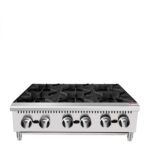 Hotplates
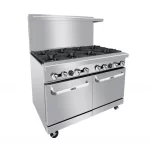 Ranges
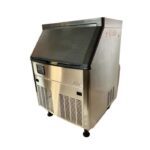 Ice Machine
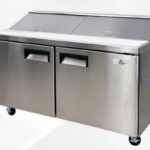 Prep Stations
 Tables